Trusts and Your Estate Plan
How We Help You Build a Complete Estate Plan
We help you create a comprehensive estate plan tailored to your specific needs, goals, and family situation. Our team works closely with you to develop customized solutions, including wills, trusts, powers of attorney, and health care directives.
Estate planning is not just about documents—it’s about protecting your assets, preserving your legacy, and ensuring your loved ones are cared for with clarity and confidence.
Why Your Estate Plan Should Be Personalized
No two families are the same, and your estate plan should reflect that.
We take the time to understand your priorities, your concerns, and your long-term vision. From there, we design a strategy that protects your assets, maintains your privacy, and ensures your wishes are carried out exactly as intended.

What Is Estate Planning and Why Does It Matter?
Estate planning is the process of preparing for how your assets and responsibilities will be managed during your lifetime and after your death.
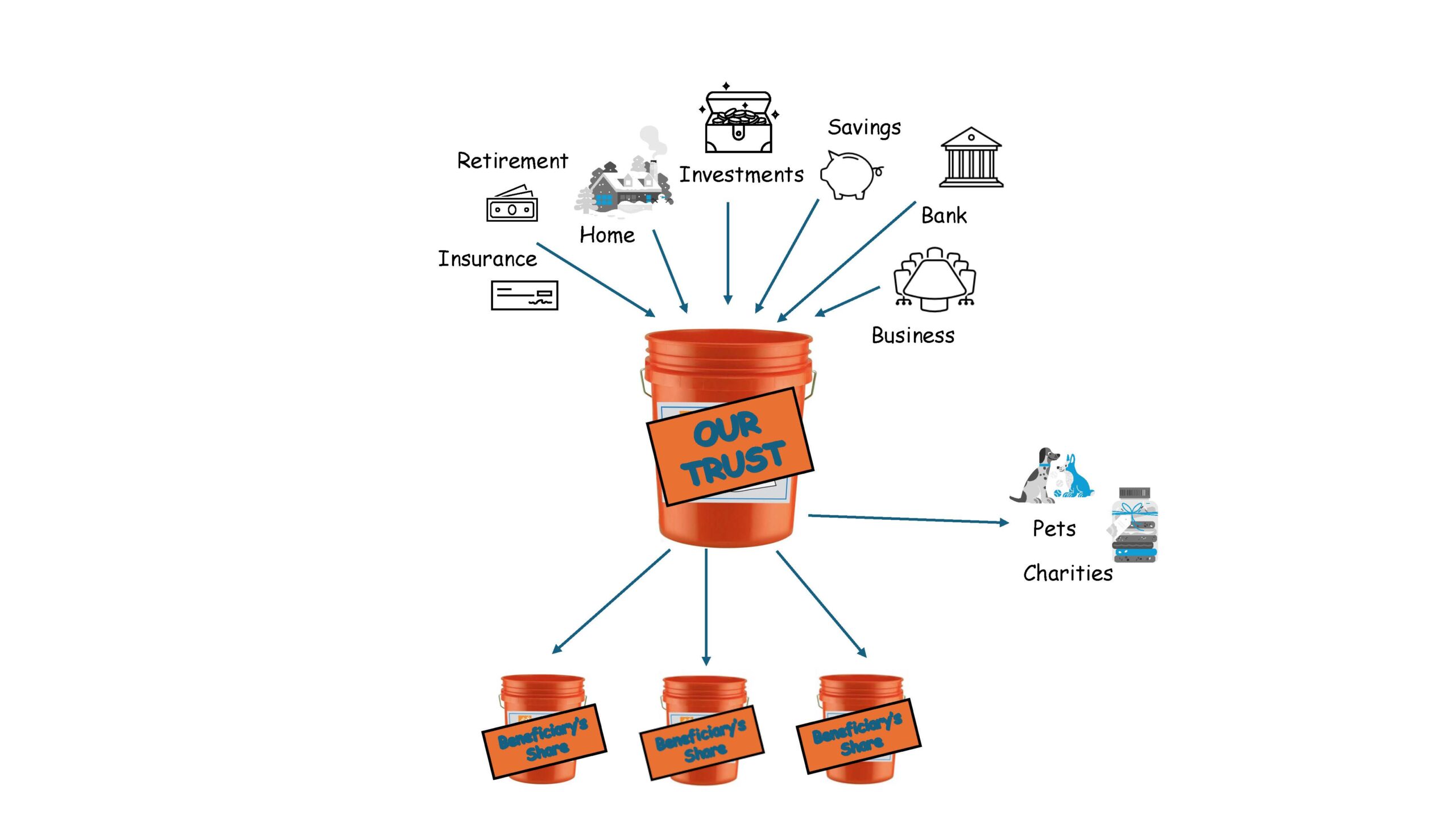
Your estate includes everything you own—your savings, investments, real estate, business interests, personal property, and even provisions for your loved ones and pets.
Without a proper estate plan, the state may decide how your assets are distributed through intestate succession laws, which rarely reflect your true intentions. A well-structured plan ensures that your wishes are honored while minimizing legal complications for your family.
Why Trusts Are Essential in Estate Planning
A trust is one of the most effective tools available to protect your assets and provide clear instructions for the future.
At its core, a trust is a legal arrangement that allows you to place assets into a structured plan—ensuring they are managed and distributed according to your wishes. Think of it as a secure “container” that holds and protects your wealth for your beneficiaries.
Unlike a will, a trust can help avoid the probate process, maintain privacy, and provide greater control over how and when your assets are distributed.
Key Benefits of a Trust
- Avoid Probate: Streamline asset distribution and reduce legal delays
- Maintain Privacy: Keep your financial matters out of public court records
- Protect Beneficiaries: Set conditions to safeguard children or loved ones
- Plan for Incapacity: Ensure your assets are managed if you cannot make decisions
- Minimize Estate Taxes: Preserve more wealth for your family
- Support Special Needs Planning: Protect benefits eligibility for loved ones
- Prepare for Long-Term Care: Help structure assets for Medicaid planning
Are Estate Plans Necessary For Everybody?
Do You Need a Trust or a Will?
A will and a trust serve different but complementary purposes in an estate plan.
A will outlines how your assets should be distributed after your death, but it must go through probate—a public legal process that can be time-consuming and costly.
A trust, on the other hand, allows your assets to bypass probate, offering more privacy, efficiency, and control.
In many cases, the most effective estate plan includes both a will and one or more trusts. An experienced estate planning attorney can help determine the right combination based on your goals.
Types of Trusts We Help You Establish
We design and implement a wide range of trusts to meet different needs and goals, including:
- Revocable Living Trust
- Irrevocable Trust
- Joint Trust
- Spendthrift Trust
- Medicaid Trust
- Special Needs Trust
- Testamentary Trust
- Land Trust
Each type of trust serves a specific purpose, and selecting the right one depends on your financial situation, family structure, and long-term objectives.
When Should You Update Your Estate Plan?
Estate planning is not a one-time event—it should evolve as your life changes.
You should review and update your plan when:
- You get married or divorced
- You have children or grandchildren
- You acquire new assets or a business
- Your financial situation changes
- You move to a new state
Keeping your estate plan up to date ensures it continues to reflect your wishes and protects your family effectively.
Our Proven 5-Step Estate Planning Process
We make the estate planning process simple, clear, and personalized:
- Initial Consultation: We learn about your goals, family, and concerns
- Strategy Development: We design a plan tailored to your needs
- Plan Creation: We prepare all legal documents with precision
- Review & Signing: We guide you through every detail for full clarity
- Ongoing Support: We help you update your plan as life changes
Our goal is not just to create documents, but to give you peace of mind.
Links and Resources

When beginning any type of planning, you usually start with some preliminary questions. Estate planning is no different. When you begin the process, your estate planning attorney will likely ask about your family members, the accounts and property you own, and whom you want to include in your estate plan. As you dive deeper into…

How to Pass Your Stories and Values to Future GenerationsMoney and property may be the most discussed types of wealth that a person owns, but theriches of their experience and wisdom can mean even more to loved ones down the line.Reinforcement of family traditions can be built into your estate plan alongside your wishesregarding the…

Valentine’s Day is a time to show love and affection. By preparing a will and other estate planning documents, you can ensure your loved ones are well taken care of now and in the future. Estate planning isn’t just about who gets what—it’s about ensuring your life’s work passes smoothly to those you love. Show your family your love by choosing what to include and what NOT to include in your estate plan!
New Year’s Eve Trivia and Fun Facts
Americans are known for their “work hard, play hard” mindset. On average, we work 1,789 hours per year. However, even with our play-hard mentality, many of us do not stay up to see the ball drop on New Year’s Eve. Less than one-third of Americans plan to either attend or host a New Year’s Eve…

Just like Santa makes a list of who’s naughty and nice, you can make a list of who should receive your money and property. The holidays are a great time to think about this while you’re with friends and family.

Fall is the perfect time to take stock of the past year and tie up loose ends before a frenetic last few weeks that can be equal parts stressful and celebratory. Read more to learn about having a fall to-do list can make the challenges of balancing family and professional commitments more manageable during this busy season.

Why has football captured the American imagination like nothing else? Some say football is a metaphor for life that can teach us lessons about discipline, teamwork, and overcoming adversity to reach a goal. Read more as we present to you your estate planning team, football-style.

What You Need to Know About Transferring Your Season Tickets In many parts of the United States, football is more than just a sport—it’s a way of life and a passion shared across generations. While fans often pass down their love for an NFL or college football team to their family, transferring season tickets is…

Did you know that the majority of Americans do not have a will? It’s true! The number of US households with a will has been steadily declining. But estate planning isn’t just for the wealthy, older adults, or married couples; it’s beneficial for everyone. Let’s bust some common myths about wills and estate plans: Myth…

Last week, our associate attorney, Demi Lamas, Esq., had the opportunity to attend the Florida Council of Aging’s Annual Florida Conference on Aging in Orlando, Florida. During the event, Demi connected with a variety of professionals dedicated to supporting and caring for the elderly community across the state. We’re proud of Demi for representing our…
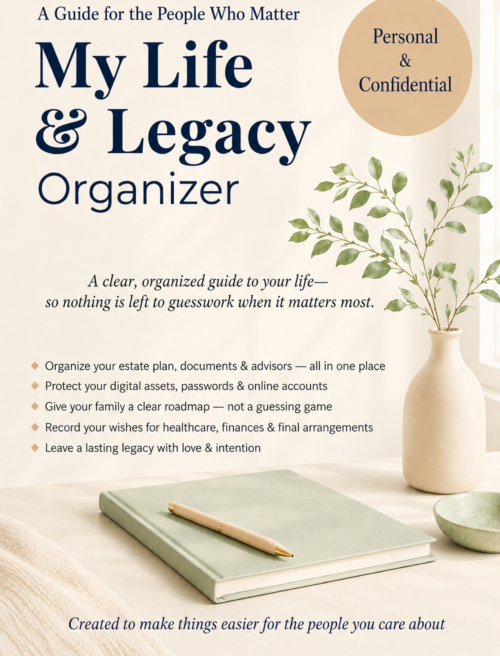
Get The Ultimate Life Organizer
Download the free 17 page version by filling out our form below. For a more detailed planning tool, the full 80-page My Life & Legacy Organizer is available for purchase on Amazon.